From Japan to Texas Fields: The Kobayashi Legacy

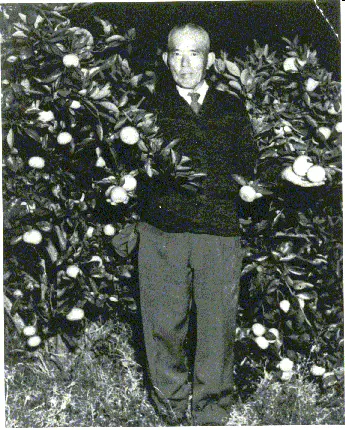
Born in 1877 near Fukuyama, Mitsutaro Kobayashi was a trained engineer with big ambitions—but as a younger son, he had no path to land ownership in Japan. So in 1904, he set sail for America, chasing opportunity. After arriving in San Francisco and surviving the aftermath of the 1906 earthquake, he eventually settled in Webster, where he bought 20 acres and planted Satsuma oranges.

When a devastating freeze wiped out his orchard in 1911, Mitsutaro pivoted—his cucumbers thrived, launching a successful farming operation that expanded into a wide variety of crops.
In 1913, his wife Moto arrived from Japan as a “picture bride.” Educated and raised in comfort, she suddenly found herself in a small Texas farmhouse, navigating a new language, culture, and way of life. Despite the challenges, Moto became the backbone of the farm—managing workers, raising seven children, and running a household while Mitsutaro sold produce in nearby Houston.
Life wasn’t easy. The couple lost their first child, endured harsh conditions, and later faced the fear and discrimination of World War II. But through it all, Moto held firm to her values: hard work, education, and family. Every one of their seven children went on to attend college, building careers in engineering, medicine, and beyond.

Moto also carried something deeper—a love for tradition, poetry, and land. The Kobayashi family had owned land in Japan for centuries, and she refused to sell their Texas property, choosing steady roots over quick wealth.
Through resilience, sacrifice, and vision, the Kobayashis helped shape the story of Japanese Americans in Texas—proving that even in unfamiliar soil, determination can grow something lasting.


Comments